


The bookbinder, the glassmaker and the remèr: Venetian crafts that endure
Venice is losing its artisans. That’s simply a fact. Every year, workshops that have passed through generations close down, replaced by shops selling Chinese masks and Murano glass made who knows where. But there are still people who hold on — who continue doing their work the way they did fifty years ago. Here are three of them.
The bookbinder who still works the old way
Bookbinding workshops in Venice can be counted on one hand. From the outside they can all look the same: notebooks bound in marbled paper, tourist diaries, decorative bookmarks. Then you walk into one of the real ones and you understand the difference immediately.
The real bookbinder isn’t behind the counter selling. He’s at the workbench, hands covered in glue, surrounded by papers, pressing boards, cords and tools that seem to belong to another era. He uses techniques that are centuries old. Handmade paper, animal-based glues, stitching that holds for generations.
If you bring him a book to bind, he won’t give you an immediate quote. He’ll look at it, handle it, assess what it actually needs. He’ll explain the process, show you the materials, tell you how long it will take. It’s not cheap. A properly made binding can cost as much as the book itself, sometimes more. But it’s done properly.
The smell in these workshops is unmistakable: leather, old paper, glue. Walking in is like taking a step back in time. They do sell notebooks to tourists to cover the rent — but the real work is restoration, commissions, projects that take weeks. The things no franchise shop could ever do.
Murano glass that is actually made in Murano
Murano is overrun with furnace-shops selling glass made elsewhere. It’s hard to tell the real ones from the others if you don’t know what to look for. The first sign is always the same: if there’s a salesperson calling you in from the doorway, it’s probably not the right place.
The genuine furnaces are working workshops, not showrooms. They’re small, often tucked away along the calli, with no large signs. If you walk in, you’ll probably see someone at the furnace. Murano glass is worked at 1,400 degrees. You watch the glowing mass take shape, the movement of the rod, the rhythm that only someone who has been doing this for decades can have.
Every piece is different because it’s made there, in that moment, by those hands. Nothing comes out of the same mould. The glassmaker works on commission for museums, collectors, architects. If you ask for something specific, he’ll tell you whether it’s possible. He won’t always say yes just to make a sale.
Real glass costs. A single glass can cost as much as a dinner; a chandelier, as much as a flight. But it’s handmade, using techniques that go back centuries, by someone who genuinely knows what they’re doing. The reproductions you find in central shops for ten euros are not comparable. They’re two different things that happen to share a name.
The remèr and the forcole made to measure
The remèr is the craftsman who makes forcole — the wooden rowlocks that hold the oar of a gondola. It’s a trade that very few still practice. The remaining workshops can be counted on one hand.
A remèr’s workshop seems frozen in time. Wood shavings on the floor, saws hanging on the walls, half-finished forcole resting everywhere. The craftsman is there every day, working the wood with tools that look ancient — because they are.
Every forcola is different. It depends on the gondolier, the weight of the gondola, the type of stroke. The remèr makes them to measure. He listens to what’s needed, takes measurements, chooses the right wood. Then he spends weeks carving it, piece by piece, until the shape is exactly right.
Real forcole are used by real gondoliers — those who still row. They’re not souvenirs; they’re working tools. If you buy one as a keepsake, it will cost you as much as a flight to Venice. But it’s a handmade object by one of the last remaining masters.
The workshops are open when they’re open. They don’t keep shop hours. The remèr works while there’s light and stops when he’s tired. If you pass by and find it closed, come back tomorrow. If you find it open and he’s working, watch in silence. It’s rare to see someone still making things by hand, with patience, without hurry.
Where to actually find them
The real artisans are not on the tourist streets. They’re in Dorsoduro, in Murano away from the vaporetto landing stages, on calli in Castello where nobody passes. They don’t have polished websites or Instagram profiles. They exist because someone needs their work, not because they’re selling to tourists.
If you want to find them, ask us. We live in Castello and know the workshops that are still going. We won’t send you to tourist spots, but to the real ones — where the work is still done the way it always was, and where it’s worth stepping inside just to watch.
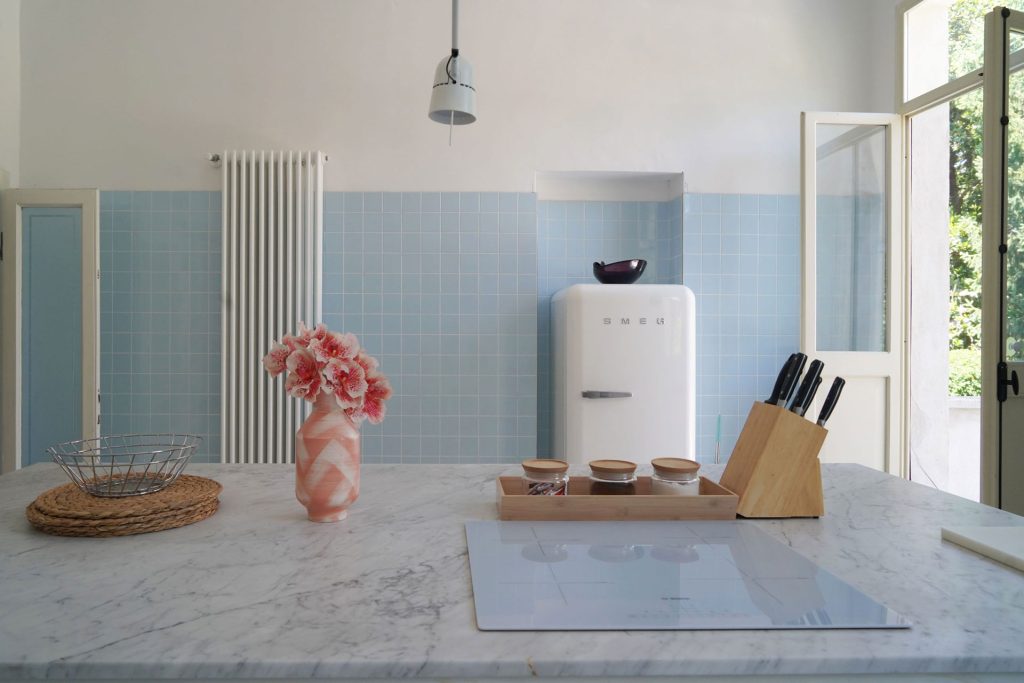
Live Venice from the inside
Our Castello apartments are in the neighbourhood where Venice still works. Within a ten-minute walk you’ll find workshops that have been there for generations. Automatic check-in, spaces designed for those who want to experience the real city.

Melusina Homes: apartments in the heart of Venice for authentic stays. We welcome you year-round in thoughtfully designed apartments, with easy check-in, responsive support, and trusted local recommendations.
MELUSINA HOMES
INFO
Masin Services srl
Sestiere Castello 6661
30122 Venice
P.IVA 04496330277
Privacy Policy
Cookie Policy
