


Things to do in Castello: a practical guide to Venice’s most authentic neighborhood
To discover the true soul of Venice, Castello is the place to start. It’s one of the least visited areas of the city by tourists, and for that reason one of the most authentic. No shop windows with carnival masks or laminated menus with photos of the dishes. Just what really matters: the historic bakery that opens at seven in the morning, the greengrocer under the arcade, the unmarked osteria where the baccalà mantecato is more memorable than that of many Michelin-starred restaurants.
This guide is designed for those who want to truly live Venice, not just pass through it.
The character of the neighborhood
Castello is the largest and most easterly district of the city. On one side it faces the lagoon with San Pietro and Sant’Elena, and on the other it looks toward San Marco. The name is thought to derive from an ancient military outpost that once stood at the far tip of the lagoon city, now long gone. It is a predominantly residential neighborhood, where laundry strung between buildings is still part of the landscape.
The difference from San Marco or Rialto is immediately apparent. There, it feels like walking through a theme park — in Castello, you breathe the atmosphere of everyday Venice. Yet there is no shortage of masterpieces and treasures to discover. Those who choose a ground-floor apartment with no stairs in Castello find themselves immersed in this daily life.
From the neighborhood you can walk to San Marco in 10 minutes and to Rialto in 12. The Biennale — both the Arsenale and the Giardini — is a 15-minute walk away. The location is ideal if you want a quiet but not peripheral base.
What to see in Castello
Campo Santi Giovanni e Paolo
Popularly known as San Zanipolo, this is one of the largest campos in Venice, where Gothic and Renaissance coexist in harmony. Dominated by the enormous brick church from which it takes its name, it also features the most beautiful façade among the Scuole Grandi and the equestrian monument of Bartolomeo Colleoni created by Andrea Verrocchio.
It is a pleasant and well-loved spot among Venetians, who come here to have coffee at outdoor tables while children play football or run freely.
The Arsenale
Covering 48 hectares, the Arsenale of Venice is a city within a city. Once the largest shipyard in the world, it is today a multipurpose center encompassing the arts, science, and the Italian Navy. Around a quarter of the complex is used by the Venice Biennale for its exhibitions. The towers of the main entrance are among the most admired and photographed monuments in Venice.
The Biennale Gardens
The Biennale Gardens are the largest green space in the city. Located in the easternmost part of the Castello district, they were created at the behest of Napoleon Bonaparte in the early nineteenth century. They are home to several sculptural monuments and numerous foreign pavilions, some designed and built by celebrated architects.
Libreria Acqua Alta
Libreria Acqua Alta is considered one of the most beautiful bookshops in the world. Opened by Luigi Frizzo in 2002, it offers a wide selection of new and used books, along with rare, antique, and modern editions. What makes it truly unique, however, are the gondolas and bathtubs used in place of traditional shelves — an idea as original as it is practical in the face of the frequent flooding that affects the lagoon.
The fondamenta of the Tolentini and forgotten alleyways
Just a few steps east and you find yourself in a Venice that seems frozen in time: silent alleyways, small squares with no bars, quiet fondamenta along the canal. No signs, no suggested routes — just the city and the desire to explore it.
Where to eat in Castello
A selection of places to stop and eat well:
- Al Covo — a historic restaurant combining tradition and authenticity, serving dishes made with fresh, local ingredients
- Trattoria dai Tosi — a convivial and lively spot offering classic Venetian dishes
- Osteria A La Scuela — a typical Venetian bacaro for traditional cicchetti, both fish and meat, paired with a well-stocked wine selection
- Nevodi — a classic brick-walled restaurant serving local specialties
Markets and daily shopping
Castello is one of the few districts where people still shop the old-fashioned way. There’s the greengrocer under the arcade, the fishmonger by the campo, and supermarkets in the main alleyways. If you’re staying for more than a few days, buying groceries and cooking in an apartment makes more sense than eating out every evening.
Getting around
The most useful vaporetto stops for Castello are Ospedale, Arsenale, and Giardini. Fondamenta Nuove is the departure point for the islands — Murano, Burano, Torcello — and is at most a 10-minute walk from most apartments in the neighborhood.
When to go
Castello is a neighborhood that offers something special in every season, but in winter it takes on an atmosphere all its own: morning fog wraps the canals, the gardens remain quiet, and the osterias fill with Venetians. Between November and March, accommodation prices are lower and the neighborhood feels entirely different. Those who choose to stay in an eighteenth-century palazzo in Castello in winter discover a completely different city — more genuine, more human in scale.
If you’re looking for accommodation in Castello, Melusina Homes manages apartments directly in the neighborhood. Real apartments in historic buildings, with self check-in and no OTA commission fees.
FAQ
Is Castello far from San Marco?
No. Most addresses in Castello are a 10–12 minute walk from Piazza San Marco. It’s one of the best locations for those who want to be close to the center while staying in a quiet area.
Is Castello suitable for families with children?
Yes. The campos are spacious and safe, children can move around freely, and the distance from the chaos of San Marco makes everything more manageable — pushchairs included.
Can you find good cicchetti in Castello?
Yes, it’s one of the best neighborhoods for a bacaro tour. There are traditional osterias with bar counters and house wine that have resisted the transformation into tourist restaurants.
How do you get to the Biennale from Castello?
On foot. The Arsenale is 15 minutes away, the Giardini 18. No vaporetto needed.
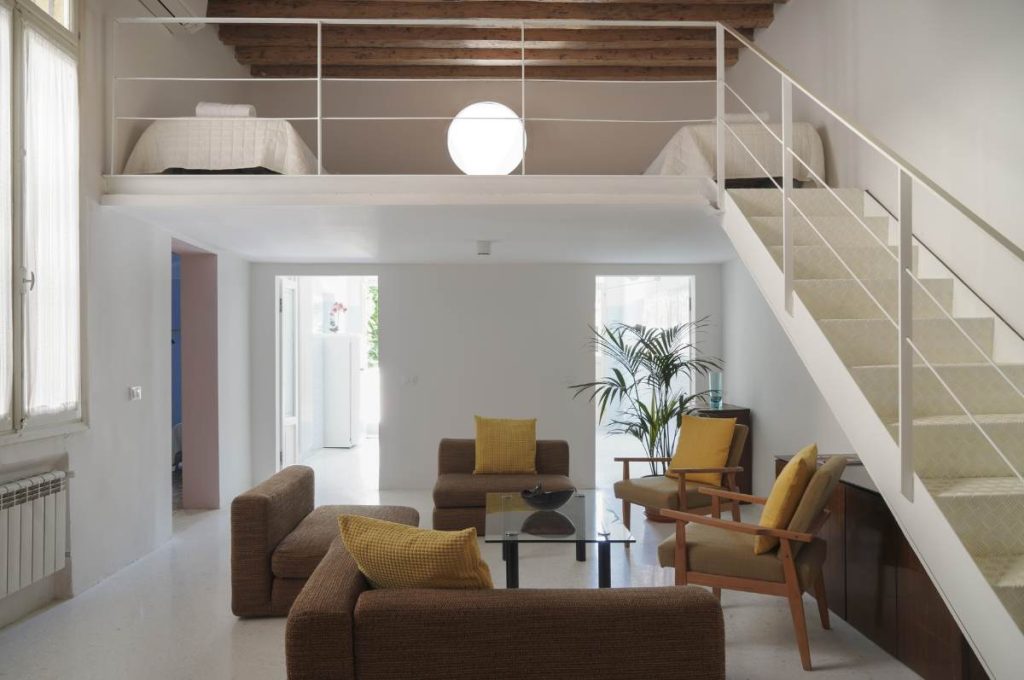
Stay in the Castello neighborhood
Our apartments in Castello are the right place for those who want to experience the true soul of Venice. The greengrocer under the arcade, the unmarked osteria, the laundry strung between buildings. Automatic check-in, fast Wi-Fi, everything you need to live here — not just pass through.

Melusina Homes: apartments in the heart of Venice for authentic stays. We welcome you year-round in thoughtfully designed apartments, with easy check-in, responsive support, and trusted local recommendations.
MELUSINA HOMES
INFO
Masin Services srl
Sestiere Castello 6661
30122 Venice
P.IVA 04496330277
Privacy Policy
Cookie Policy
