


Cannaregio, Venice: a neighbourhood guide off the tourist trail
Cannaregio: Venice’s longest and least written-about sestiere
Cannaregio runs from Santa Lucia train station to the edges of Castello and San Marco, along the northern waterfront facing the open lagoon. It’s the sestiere with Venice’s widest canals, its most walkable fondamenta, and a quality of daily life that’s increasingly hard to find in the more central neighbourhoods.
There are still the shops that serve Venetians, the schools, the campos where people actually sit. There’s also the Ghetto — the oldest in Europe. And there’s the Misericordia area, which over the last few years has quietly become the gathering point for people coming to Venice for art, culture and something other than the obvious.
The character of the sestiere
Cannaregio is Venice’s longest sestiere: you can walk almost its entire length in under thirty minutes along the fondamenta that run beside the main canals. Strada Nova is the main commercial axis — one of the few calli in Venice wide enough to feel like an actual street. Along it you’ll find shops, bars and restaurants serving a mixed local and tourist clientele.
Step off Strada Nova towards the north, and the city changes. The fondamenta degli Ormesini, dei Mori, della Misericordia: long canal-side walks with bars open in the evenings, boats moored along the banks, and the particular silence Venice manages to find even within a busy sestiere.
What to see in Cannaregio
The Jewish Ghetto
The Venice Ghetto is the oldest in the world, established in 1516. The word “ghetto” itself derives from this place — from geto, the name of the foundry that once stood here. Today it’s a quiet campo with historic synagogues, the Jewish Museum, and tall buildings constructed over centuries to compensate for the limits on horizontal expansion. Guided synagogue tours depart from the Jewish Museum and are more compelling than you might expect.
Madonna dell’Orto
One of the finest Gothic churches in Venice, less visited because it sits outside the main circuits. It holds some of Tintoretto’s most important works — the painter lived in this sestiere and is buried here. The portal is among the most elegant examples of Venetian Gothic architecture. Open in the mornings, usually empty.
Fondamenta della Misericordia and degli Ormesini
The liveliest fondamenta in the sestiere. Along the canal there are bars that put tables outside in summer, bicycle repair shops, small artisan studios. In the evenings, the Misericordia is the least touristy gathering point in the city: people drink wine standing outside, talk, linger. It’s the closest thing Venice has to a genuine neighbourhood evening scene.
I Gesuiti (Santa Maria Assunta)
One of Venice’s most dramatic Baroque churches. The interior is covered entirely in carved marble worked to imitate draped fabric — an effect that stops you the first time you walk in. Titian’s Martyrdom of Saint Lawrence is here. Almost always empty of tourists because it’s off the main route. Worth a specific trip to Cannaregio on its own.
Ca’ d’Oro
The Gothic palazzo on the Grand Canal, one of the most photographed buildings in Venice. Inside, the Galleria Franchetti holds works by Mantegna, Titian and Van Dyck. The loggia overlooking the Grand Canal is the best part: you look down at the waterway from above, without the crowds of San Marco. Ticketed, often no queue.
Fondamenta Nuove
The departure point for the lagoon islands: Murano, Burano, Torcello, San Michele. These fondamenta form the northern edge of the historic city — on the other side there’s only the lagoon and, on clear days, the Dolomites in the distance. One of Venice’s most unexpected views.
Where to eat in Cannaregio
The Misericordia and Ormesini areas have the highest concentration of honest places to eat in the sestiere. Look for bacari without illuminated signs that have the cicchetti counter visible from the street — sarde in saor, baccalà mantecato, folpetti. For a proper sit-down lunch, the trattorie around Campo dei Mori have handwritten menus and prices untouched by passing tourism.
Avoid the restaurants on Strada Nova with menus in four languages and waiters stationed outside: fine for a quick meal, nothing more.
Getting around
The most useful vaporetto stops are Ferrovia (train station), Guglie, San Marcuola on the Grand Canal, and Fondamenta Nuove for the islands. The sestiere is walkable almost entirely without frequent bridges — it’s one of the best areas in Venice for anyone with mobility limitations or travelling with pushchairs.
Melusina Homes has apartments in Cannaregio. Automatic check-in, fibre Wi-Fi and full kitchens for guests who want to live in the sestiere rather than just pass through it.
FAQ
Is Cannaregio far from San Marco? No. Walking from the Misericordia area to Piazza San Marco takes around 20–25 minutes. By vaporetto from San Marcuola it’s a few minutes. The position works well for anyone who wants an authentic neighbourhood without sacrificing central access.
Can you visit the Jewish Ghetto without a guide? The campo is public and free. To visit the synagogues you need the Jewish Museum guided tour (ticketed). It’s worth doing — the guides are historically well-prepared and the tour runs about an hour.
Is Cannaregio good for families? Very. The fondamenta are long and walkable, the campos are calm, and there’s far less foot traffic than San Marco. Fondamenta Nuove is the departure point for Burano — the classic family island trip.
Is there a nightlife scene in Cannaregio? Yes, in the Venetian sense. The Misericordia and Ormesini are animated in the evenings with people outside the bars, wine poured from jugs, occasional music. Not a capital city nightlife, but the most genuinely alive part of the city after dark.
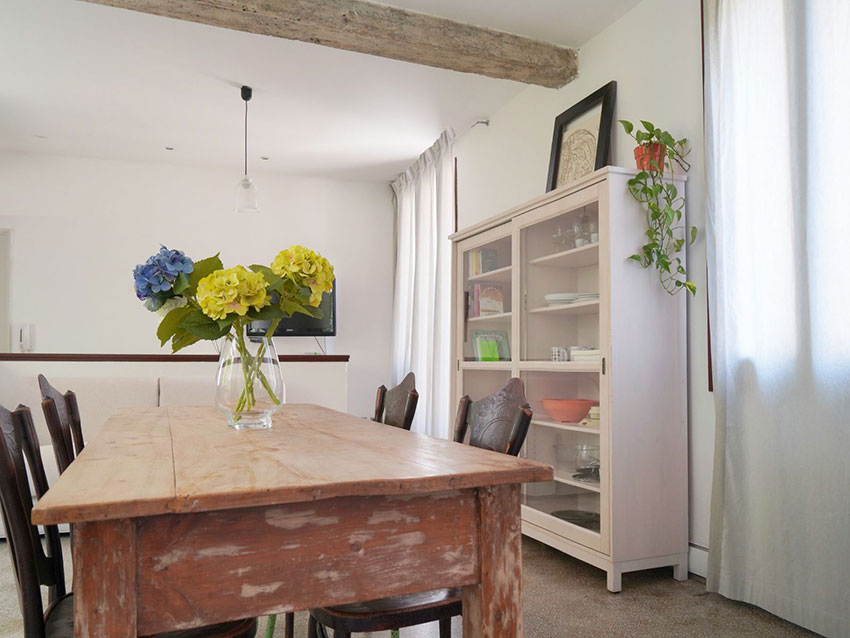
Stay in Cannaregio — and live Venice properly
Melusina Homes has apartments in Castello and Cannaregio. Automatic check-in, full kitchens, fibre Wi-Fi. Direct prices without OTA commission.

Melusina Homes: apartments in the heart of Venice for authentic stays. We welcome you year-round in thoughtfully designed apartments, with easy check-in, responsive support, and trusted local recommendations.
MELUSINA HOMES
INFO
Masin Services srl
Sestiere Castello 6661
30122 Venice
P.IVA 04496330277
Privacy Policy
Cookie Policy
